Mahsulot tavsifi
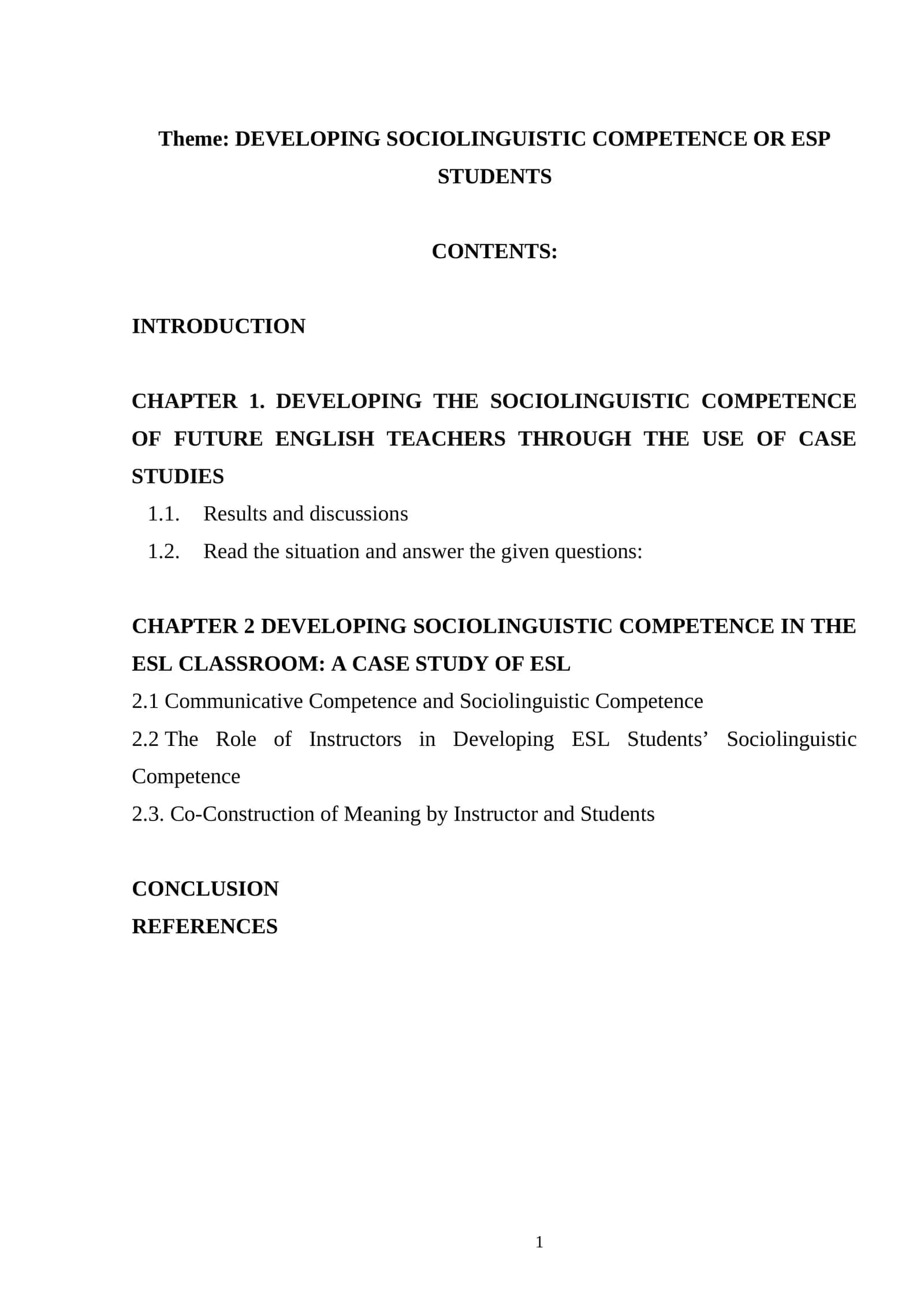
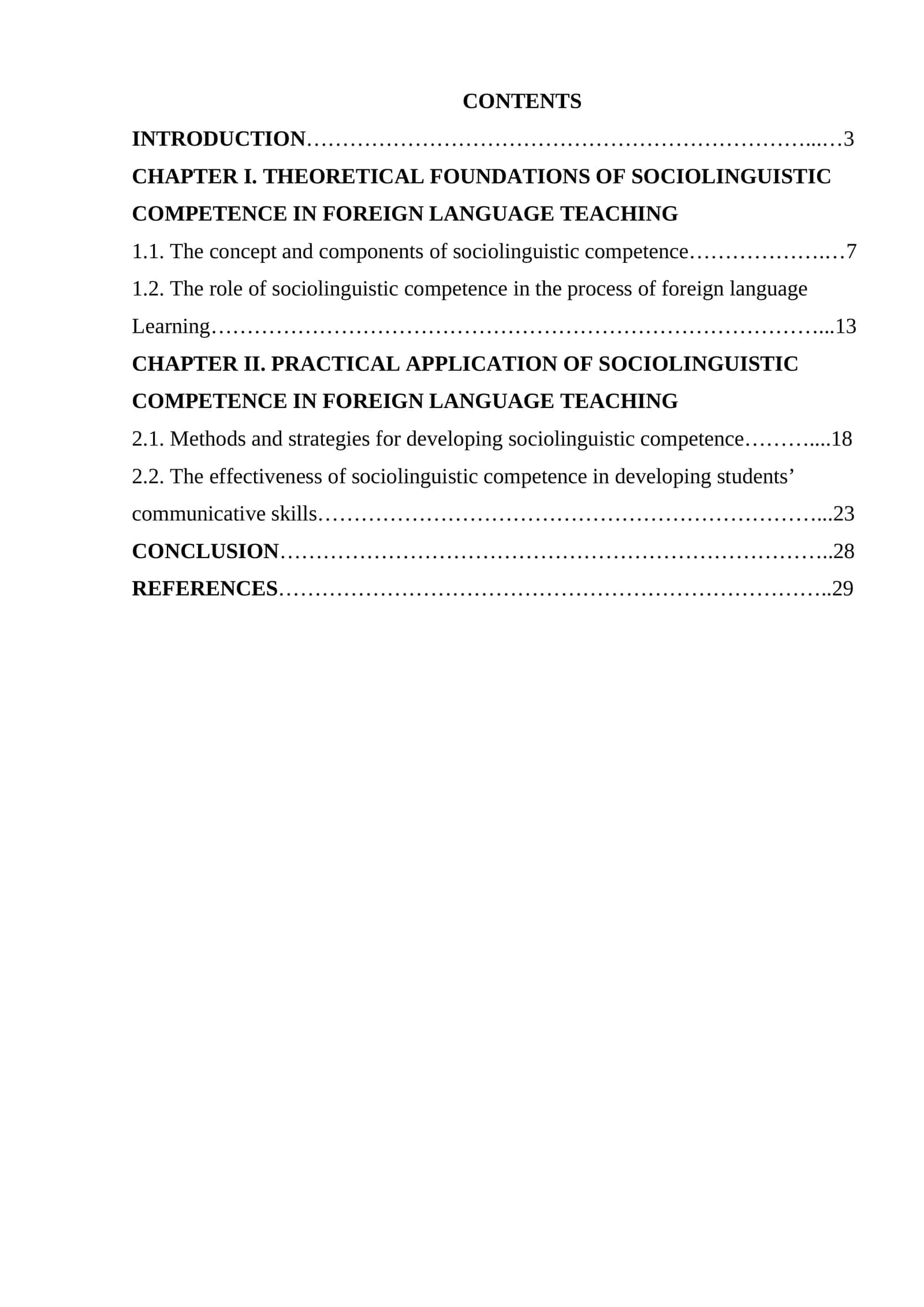
This presentation examines the development of sociolinguistic competence among students, with particular focus on junior-course learners of economic specialties and ESL (English as a Second Language) classrooms. Sociolinguistic competence is defined as the ability to use language appropriately across varied social and cultural contexts — a skill of growing importance in today's globalized economy, where professionals regularly interact with speakers from diverse cultural backgrounds. The work outlines practical approaches to cultivating this competence, including integrating interactive and digital technologies into the curriculum, incorporating humanities subjects (history, philosophy, psychology) to deepen cultural understanding, and creating opportunities for authentic discourse practice through group projects and international exchanges. It further explores how students of economics can master specialized professional discourse — vocabulary, grammar, and register — needed for business negotiations as well as informal communication. For the ESL classroom specifically, the presentation highlights the dual challenge of teaching both linguistic and sociocultural dimensions of language, recommending exposure to authentic media (films, podcasts, literature) and a combination of explicit instruction (targeted speech acts) and implicit learning (role-plays, classroom discussions). Constructive feedback that addresses both grammatical accuracy and contextual appropriateness is emphasized as key to building students' confidence and communicative flexibility.
Muallif

- Hujjatlari
- 497
- Sotilgan
- 228